Barcode Posts
Desi Indian Bhabhi Pissing Outdoor Village Vide High Quality 〈Top - 2027〉


| Aspect | Description | |--------|-------------| | | While urban areas lean toward nuclear families, the joint family system (grandparents, uncles, aunts, cousins) is still idealized and common in smaller towns. Even in nuclear setups, frequent visits and constant phone calls keep the extended family tightly knit. | | Hierarchy & Respect | Elders are the emotional and decision-making anchors. Touching feet for blessings, seeking advice before major decisions, and using respectful pronouns are daily norms. | | Rituals & Routines | From morning puja (prayers) to evening tea chit-chat, rituals structure the day. Many homes have a small temple corner, and festivals (Diwali, Holi, Pongal, Eid, etc.) are celebrated with elaborate preparations. | | Food Culture | Meals are often homemade, vegetarian or with regional meat dishes, and eaten with hands. The thali (platter with rice/roti, dal, sabzi, pickle, papad) is iconic. Eating together is valued, though women may serve men/children first in traditional homes. | | Gender Roles (Evolving) | Traditionally, women managed the kitchen and caregiving, men handled finances and outside work. Today, urban families see more equality, but the shift is gradual. Working women often juggle a "double shift" – office and home duties. |
While nuclear families are rising in cities, the "joint family" spirit remains the cultural backbone. Indian Family Values - Nick Gray
: Modern families are increasingly returning to roots like Ayurveda and Yoga for wellness, incorporating natural products and mind-body awareness into daily routines to manage modern stress.
A typical day in an Indian family begins early, with the morning prayer, known as "puja." The family gathers together to offer prayers to the gods and goddesses, seeking their blessings for the day ahead. This is followed by a quick breakfast, which often consists of traditional dishes like idlis, dosas, or parathas.
| Aspect | Description | |--------|-------------| | | While urban areas lean toward nuclear families, the joint family system (grandparents, uncles, aunts, cousins) is still idealized and common in smaller towns. Even in nuclear setups, frequent visits and constant phone calls keep the extended family tightly knit. | | Hierarchy & Respect | Elders are the emotional and decision-making anchors. Touching feet for blessings, seeking advice before major decisions, and using respectful pronouns are daily norms. | | Rituals & Routines | From morning puja (prayers) to evening tea chit-chat, rituals structure the day. Many homes have a small temple corner, and festivals (Diwali, Holi, Pongal, Eid, etc.) are celebrated with elaborate preparations. | | Food Culture | Meals are often homemade, vegetarian or with regional meat dishes, and eaten with hands. The thali (platter with rice/roti, dal, sabzi, pickle, papad) is iconic. Eating together is valued, though women may serve men/children first in traditional homes. | | Gender Roles (Evolving) | Traditionally, women managed the kitchen and caregiving, men handled finances and outside work. Today, urban families see more equality, but the shift is gradual. Working women often juggle a "double shift" – office and home duties. |
While nuclear families are rising in cities, the "joint family" spirit remains the cultural backbone. Indian Family Values - Nick Gray desi indian bhabhi pissing outdoor village vide high quality
: Modern families are increasingly returning to roots like Ayurveda and Yoga for wellness, incorporating natural products and mind-body awareness into daily routines to manage modern stress. | Aspect | Description | |--------|-------------| | |
A typical day in an Indian family begins early, with the morning prayer, known as "puja." The family gathers together to offer prayers to the gods and goddesses, seeking their blessings for the day ahead. This is followed by a quick breakfast, which often consists of traditional dishes like idlis, dosas, or parathas. Touching feet for blessings, seeking advice before major
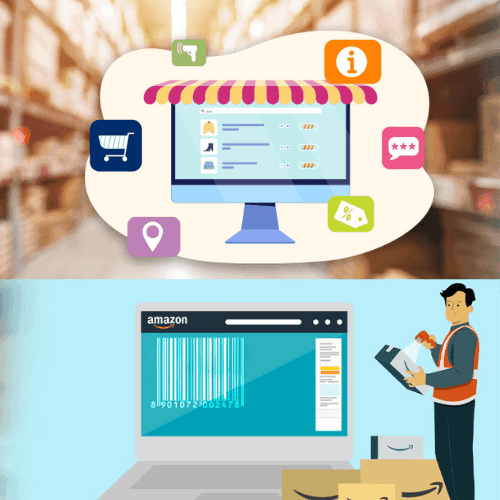
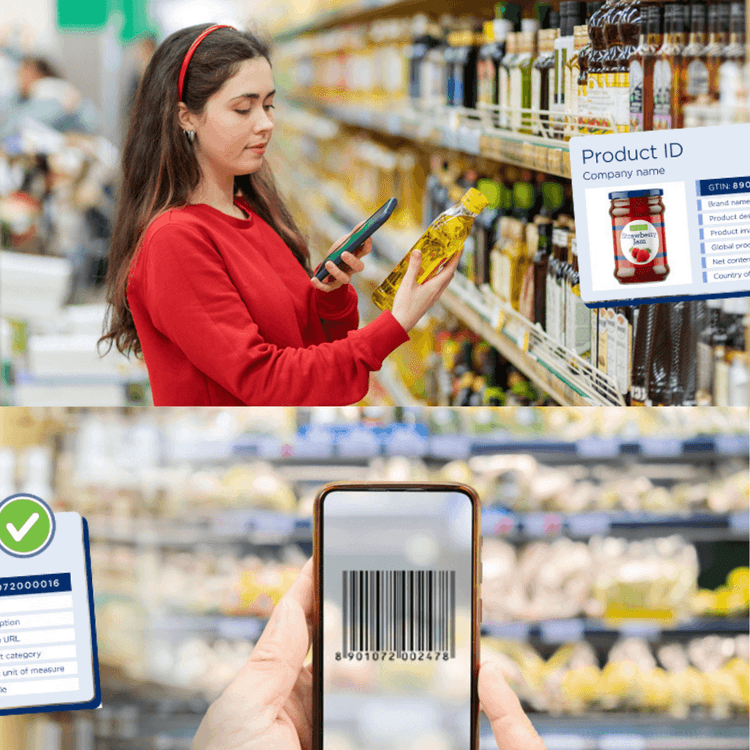
A barcode number is a series of digits below the barcode that uniquely identifies a product, linking it to detailed information in a database.
Yes, Google Lens and some Google apps can scan 2D barcodes like QR codes using your smartphone’s camera, allowing you to quickly retrieve product information.
To verify or check a barcode online, Use Smart Consumer app to verify 2D barcodes, or enter the barcode number on the application to validate the product information provided. You can also verify the authenticity of a barcode by entering the GTIN/EAN of the product on the GTIN validation portal of GS1 India.
You can check if a product is original by verifying its barcode online, inspecting the packaging for authenticity, and purchasing from authorised sellers.
A 12-number barcode is typically a UPC (Universal Product Code), commonly used in retail to uniquely identify and track products.
Your email address will not be published. Required fields are marked *