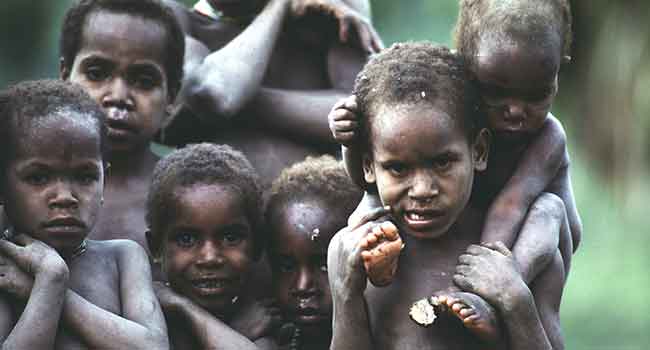
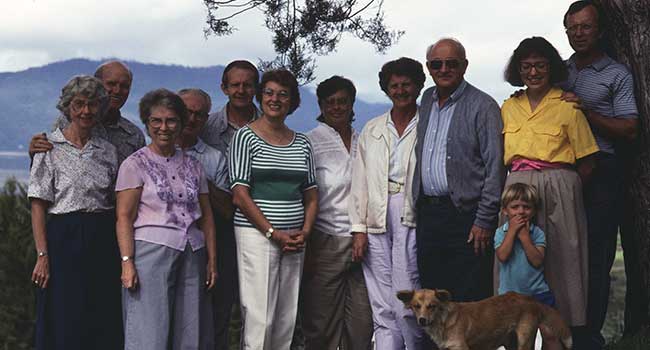
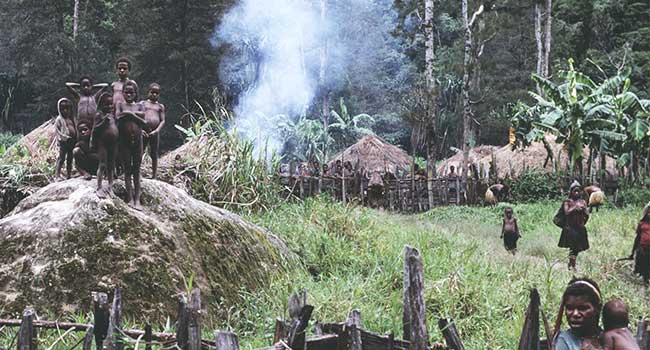
Free Online Bible Commentaries on all Books of the Bible. Authored by John Schultz, who served many decades as a C&MA Missionary and Bible teacher in Papua, Indonesia. His insights are lived-through, profound and rich of application.
Access the Download LibraryAll 66 books of the Bible have been covered by John Schultz: An accomplishment of a life time, matched by only a few saints in history. Make your choice below and download the PDF Commentary eBook for free.
Genesis, Exodus, Leviticus, Numbers, Deuteronomy, Joshua, Judges, Ruth, 1 Samuel, 2 Samuel, 1 Kings, 2 Kings, 1 Chronicles, 2 Chronicles, Ezra, Nehemiah, Esther, Job, Psalms, Proverbs, Ecclesiastes, Song of Songs, Isaiah, Jeremiah, Lamentations, Ezekiel, Daniel, Hosea, Joel, Amos, Obadiah, Jonah, Micah, Nahum, Habakkuk, Zephaniah, Haggai, Zechariah, Malachi, Matthew, Mark, Luke, John, Acts, Romans, 1 Corinthians, 2 Corinthians, Galatians, Ephesians, Philippians Colossians 1 Thessalonians, 2 Thessalonians, 1 Timothy, 2 Timothy, Titus, Philemon, Hebrews, James, 1 Peter, 2 Peter, 1 John, 2 John, 3 John, Jude, Revelation.
Copyright (c) John Schultz. All Rights Reserved.
Permission is given to view the material on the www.bible-commentaries.com web pages and save that material only for your future personal non-commercial reference. Do not further copy, modify, use or distribute the material in any way unless you obtain the permission of John Schultz. We are unable to routinely inspect or confirm the material contained on the web pages that are linked to this page are correct in every case. We provide the information on these web pages as is and without any warranties. We disclaim all express and implied warranties, including merchantibility and fitness for a particular purpose. In no event will will be liable for any loss of profits, business, use, or data or for indirect, special, accidental or consequential damages of any kind whether based in contract, negligence or other tort. We may make changes to the web site materials and the product information and prices at any time without notice and without obligation to update the materials contained on these pages.
All Bible quotations in the material of rev. John Schultz, unless indicated otherwise:
New International Version The Holy Bible, New International Version. Copyright (c) 1973, 1978, 1984 by the International Bible Society. All Rights Reserved.
தமிழ் ஓலு (Olu) — சிறந்த குறிப்பு தமிழ் ஓலு என்பது தமிழ் மொழி பண்பாட்டில் முக்கிய இடம் கொண்ட, பொதுவாக மழைக்கால நினைவுகளைப் பிரதிபலிக்கும் ஒரு இலக்கிய அல்லதுக் கலை உருவாக இருக்கலாம். கீழே ஒரு தெளிவான, அழகான மற்றும் உணர்ச்சிகரமான "ஒளு" (Olu) குறித்து எழுதப்பட்ட சிறு கட்டுரை/கதையின் வடிவம் கொடுக்கப்பட்டுள்ளது — நீங்கள் அதை கவிதை, சிறுகதை அல்லது உரைமொழியாகப் பயன்படுத்தலாம். ஓலுவின் குரல் முதல் மழை விண்ணில் விழும் தருணம் — அந்த ஓசை உலகை முழுதும் நிரம்பச் செய்கிறது. கதவுக்கு அருகில் நின்று வெளியில் பார்க்கும் சின்ன சிறு ஓலைப் போல், மனமும் அந்த ஒலுக்குள் சிதறிக் கொள்கிறது. ஒவ்வொரு துளியும் மண்ணின் வாசத்தை ஊற்றி, பயிர்களின் குரலை உயிர்ப்பிக்கிறது. இந்த ஓசை தனக்கென ஒரு புனிதத்தன்மையை தந்தே இருக்கிறது — ஏனெனில் அது நம்மை இயற்கையுடன் மீண்டும் சேர்க்கிறது. நினைவுகளின் தலைவிதை ஓலு நமதுடைய குழந்தைப் பாடல்களையும், இல்லத்தின் கூரையின் வாலுக்கு மிதப்பதைக் கேட்கும்போது வரும் அன்னம் மட்டுமல்ல; அது அப்பாவின் வேலைக்குச் செல்லும் நொடிகள், அம்மாவின் சமையலறை சத்தம், அக்காவின் சிரிப்பு — அனைத்தையும் ஒரே நேரத்தில் நினைவில் கொல்லும். ஒலி சிறிது, ஆனால் தாக்கம் ஆழம்; அது நமதுடைய அன்றாட பண்புகளை தரகரிக்கிறது. காதலின் மொழி காதலர்கள் சந்திக்கும் மாலை நேரமும், தெருவின் விளக்கு கீழே இரு நபர்களின் கிளிகள் கூடும் நேரமும் ஓலு மெல்ல ஓசையாகக் காற்றில் கலக்கும். அது சொல்லாத உரையைக் கூறி, தொலைவுகளை குறைத்து, இணைப்பை உறுதி செய்கிறது. ஒரு அமையாமல் போன நாளின் கவலைகள், ஓலுவின் மென்மை மூலம் மிதமாக சிதறவிடப்படும். மழையின் சாகசம் அழகிய ஓலின் உள்ளே ஒரு சிறு சாகசமும் இருக்கு: தண்ணீர் பூமியில் மிதந்து ஒலிக்கும்போது அது பல்வேறு விதமான கருவூலங்களை உருவாக்குகிறது — சில நேரங்களில் அது பாடலைப் போலவும், சில நேரங்களில் இதயத்தின் துடிப்புபோலவும் இருக்கும். இந்த சாகசம் மனித உடலில் புதுச்சூழலை தூண்டி, நமக்குள் உள்ள மிகுந்த தாங்கும் சக்தியையும் மீட்டெழுகிறது. முடிவு ஓலு என்பது வெறும் இயற்கையின் அமைதியல்ல; அது நினைவுகளின் நெறிமுறை, உணர்ச்சிகளின் மொழி, மற்றும் நாளையின் அமைதியைக் காட்டும் ஒரு சின்னக் கூறு. ஒவ்வொரு மழையும், ஒவ்வொரு ஓசையும் நமக்கு புதிய கதைகளை சொல்லும்; கேட்க எப்படி வாய்ப்பில்லை — கேட்கும்போது நம் உள்ளம் பேசத் ஆரம்பிக்கிறது. (உங்கள் நோக்கத்தின் படி இதை சிறுகதையாக மாற்ற விரும்பினால், பாத்திரங்கள், இடம், நேரம் ஆகியவற்றை சேர்த்து விரிவாக்கம் செய்து தருகிறேன்.)
The exploration of desire is not a modern phenomenon in Tamil culture. It can be traced back to Sangam Literature (c. 300 BCE – 300 CE), specifically the (interior) poetry. Akam Poetry: These poems focused on the nuances of love, separation, and union, using metaphorical landscapes ( ) to express physical and emotional intimacy. Aparadhams & Folk Tales: In later centuries, folk storytelling often included bawdy humor and explicit tales, frequently shared in village circles or through oral traditions like Villu Paatu , which occasionally touched upon taboo themes. 2. The Digital Transition In the late 1990s and early 2000s, the emergence of the internet transformed these narratives. The term "Olu Kathai" (literally translating to "intercourse stories") became a standardized label for user-generated erotica. Platform Shifts: Early content was hosted on platforms like Yahoo Groups and Google Groups. Today, these stories reside on dedicated blogs, forums, and social media platforms like Telegram. User-Generated Content: Unlike traditional literature, this genre is almost entirely crowdsourced. Writers are often anonymous, using pseudonyms to navigate the social taboos associated with the content. 3. Themes and Narratives The narratives within this genre often follow repetitive tropes, but they provide insight into the subconscious anxieties and fantasies of the readership: Prohibited Relationships: Many stories explore themes of infidelity or relationships within social structures where they are strictly forbidden. Rural vs. Urban: A significant portion of the stories are set in rural Tamil Nadu, often romanticizing "innocent" encounters, while urban stories focus on workplace or modern social settings. The "Everyman" Protagonist: The lead characters are rarely idealized; they are usually presented as average individuals, making the content more relatable to its specific target audience. 4. Sociocultural Impact and Controversy The popularity of "Tamil Olu Kathai" exists in a state of tension with conservative Tamil social values. Social Taboo: Despite millions of monthly searches and high engagement, the genre is rarely discussed in the mainstream. It is viewed as "low-brow" or "vulgar" ( Language and Slang: These stories are significant for their use of colloquial Tamil. They capture local dialects and slang that are often excluded from formal literature, making them a raw, albeit controversial, linguistic record. Legal and Ethical Issues: The genre frequently faces criticism for the lack of consent in its depictions and the potential for reinforcing harmful gender stereotypes. In India, the distribution of such content often falls under the scrutiny of Section 67 of the IT Act regarding "obscene" material. 5. Conclusion "Tamil Olu Kathai" represents a digital underground—a space where the rigid boundaries of Tamil society are temporarily suspended. While it remains marginalized and controversial, its persistence highlights the enduring human drive to explore desire through storytelling, even when forced to the shadows of the internet.
The phrase "Tamil Olu Kathai" (or Olik Kathai ) refers to the rich tradition of oral storytelling in Tamil culture. The word "Olu" (ஒலி) translates to "sound" or "voice," implying stories that are spoken, sung, or chanted aloud, rather than written and read silently. Here is a detailed piece exploring the history, methods, and significance of the Tamil Oral Storytelling tradition.
The Resonant Thread: A Journey into Tamil Olu Kathai In the quiet villages of the Tamil heartlands, before the invasion of screens and the clamor of modernity, history and entertainment were not read from paper; they were heard. They were breathed into existence by the voice of the storyteller. This is the world of Tamil Olu Kathai —the story of the voice. The Roots of the Sound Long before the printing press standardized literature, Tamil society relied on the oral tradition ( Vaaymozhi ). Knowledge, genealogy, ethics, and mythology were preserved in the human memory and transmitted through the spoken word. The Olu Kathai is not merely the recitation of a script. It is a performative art. The storyteller ( Kathai Solluthal ) does not just narrate; they act, they sing, they modulate their voice to mimic the thunder of a god or the whisper of a lover. In this tradition, the voice is an instrument, and the story is a melody. The Custodians of the Voice Several distinct communities and art forms carried the weight of this tradition: 1. Viraliyar and Panar (The Bards): In the Sangam era (3rd century BCE to 3rd century CE), the Panar were wandering minstrels, and the Viraliyar were female dancers and singers. They traveled from court to court, singing ballads of heroism and love. They were the original carriers of the Olu Kathai , setting the rhythm for Tamil poetry. 2. The Villu Paattu (Bow Song): Perhaps the most iconic form of musical storytelling, Villu Paattu (Bow Song) uses a large, decorated bow strung with bells. The lead storyteller strikes the bowstring with a wooden stick to create a rhythmic beat, while assistant singers provide the chorus. The stories often revolve around local deities, folk heroes like Madurai Veeran, or moral fables. The "sound" here is communal—a dialogue between the narrator and the audience. 3. Katha Kalakshepam: A more structured form that evolved later, Katha Kalakshepam (often performed in temples) involves a storyteller expounding on epics like the Ramayana or Mahabharata. The narrator sits on a raised platform ( Mani Peetam ) and uses cymbals and musical interludes to break up the narration. Here, the Olu (voice) is used to explain philosophy through the vehicle of story. The Anatomy of an Olu Kathai Performance A traditional Olu Kathai session is a sensory experience. It typically begins at dusk. The storyteller creates a "soundscape." Tamil Olu Kathai
The Invocation (Pirathana): The voice begins low, invoking the blessings of Ganesha or Saraswati. This sets the tone. The Modulation: The storyteller changes pitch and timbre. A king speaks with a booming bass; a queen with a melodic trill. The "Olu" captures emotions that written words often fail to convey. The Interaction: Unlike reading a book, the oral story breathes. The audience reacts with "Ayyo!" (Oh no!) or "Sabhash!" (Bravo!). The storyteller adjusts the pace based on this feedback. The sound bounces off the walls of the temple hall or the village square, creating a collective memory.
The Decline and the Digital Echo With the advent of the printing press in the 19th century, the primacy of the spoken word began to fade. Literature became a private, silent activity. The Olu Kathai was dismissed by some as "folk" art, inferior to the written text. However, the spirit of the Olu Kathai has not died. It has transformed. Today, we see a resurgence in:
Audio Storytelling: Modern platforms like YouTube channels and podcasts (e.g., Kadhai Osai ) are reviving the art of listening. People listen to stories during their commutes, reconnecting with the ancient Tamil habit of "hearing" a story rather than reading it. Cinema: Tamil cinema borrows heavily from the Olu Kathai tradition. The dramatic monologues and punch dialogues of actors are a modern echo of the Villu Paattu’s dramatic flair. including vocabulary and grammar.
Conclusion Tamil Olu Kathai is a reminder that language was first sound. It teaches us that a story is not a static object on a page, but a living entity passed from one breath to another. In the rustle of the palm leaves and the beat of the drum, the voice of the Tamil storyteller continues to resonate, bridging the gap between the ancient bard and the modern listener.
"Tamil Olu Kathai" seems to be a term in Tamil, and when translated, it roughly means "Tamil Writing" or "Tamil Script". If you're looking for useful texts or resources related to Tamil writing or learning Tamil, here are a few suggestions: For Learning Tamil:
Tamil Language Books on Amazon : There are several books available on Amazon that teach Tamil, including "A Course in Tamil" by K. Srinivasa Iyengar, which covers the basics and advanced levels of the language. Tamil Olu Kathai"
Duolingo : Duolingo offers a course in Tamil that you can use to start learning from the basics.
Memrise : This platform has courses created by users to learn Tamil, including vocabulary and grammar.