
Season 3
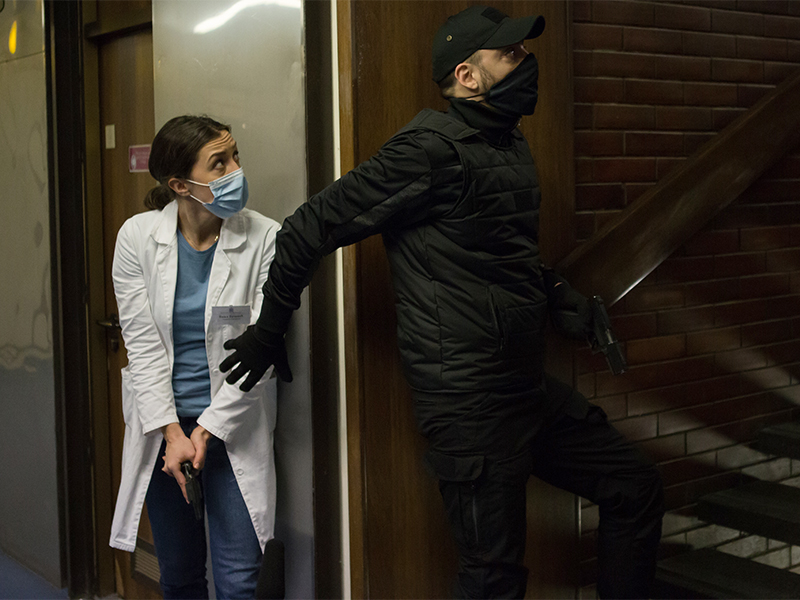
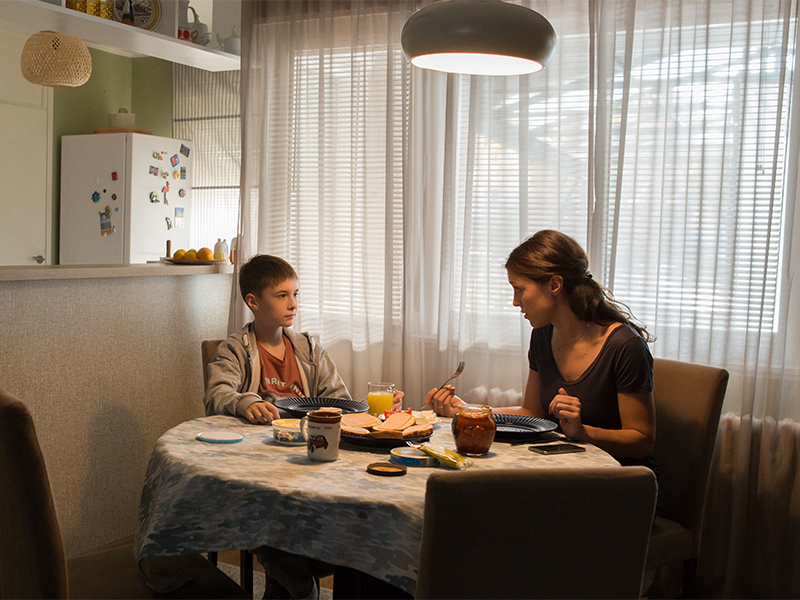
The new season of Civil Servant explores how the country’s public servants stand up and fight when the whole world stops and everything except health and survival become irrelevant. Fighting for every breath, every respirator, and every moment of peace for their citizens has become their daily routine. Lazar Stanojevic, for whom the service is his Holy Grail, continues to fight the good fight. The new season was filmed in Belgrade and Istanbul.
Season 1&2
A young, ambitious Serbian Secret Service (BIA) agent, Lazar Stanojevic is negotiating the rules of the international spy game in the modern world. He quickly learns that all is not what it seems, and he is left fighting his distrust for everything he thought to be true. He is removed from the service, his marriage is falling apart, and he faces the greatest challenge in his career: an internet entrepreneur who wishes to destroy the entire Serbian political and security systems. Despite this professional and moral crisis, his sense of duty will propel him to make life-changing decisions to save his nation, his family, and himself. Will Lazar emerge from being a servant of the state to its ultimate protector?
IMDB: Drzavni sluzbenik
| Original Title | : | Državni Službenik |
| Genre | : | Crime, Drama, Thriller |
| IMDB Rating | : | 8.2 |
| Production Year | : | 2019-2022 |
| Run Time | : | 3 Seasons- 36 X 50' |
| Country of Origin | : | Serbia |
Tamil Kudumba (family) romantic fiction—often serialized in weekly magazines like Aval Vikatan , Kalki , or published as collections by authors such as Lakshmi Rajendran, R. Chudamani, and Sivasankari—represents a unique literary paradox. While ostensibly celebrating conservative family values ( kudumbam ), these stories simultaneously encode female desire, critique marital norms, and navigate the pressures of urbanization. This paper argues that the genre functions as a safe subversive space : it allows Tamil women readers to imagine romantic agency and emotional fulfillment without abandoning the ideological structure of the joint family. Through a close reading of recurring tropes (the "adjusting" wife, the silent mother-in-law, the returning NRI husband), we demonstrate how these narratives produce a distinctly Tamil modernity—one where love is domesticated, and domesticity is romanticized.
The essence of Tamil literature has always been deeply rooted in the concept of Akam (the inner world), focusing on the nuances of love, family dynamics, and the sanctity of the household. When we talk about (family stories) within the realm of romantic fiction , we are diving into a genre that balances traditional values with the timeless pull of the heart. tamil kudumba incest sex stories
| Trope | Surface Meaning | Deep Subversion | |-------|----------------|------------------| | The Silent Sufferer ( porumai ) | Ideal wife endures neglect | Passive resistance; her pain becomes moral authority over husband | | The NRI Husband’s Return | Reuniting family values | Exposes transactional marriage; love emerges only after geographical distance | | The "Other Woman" (colleague, old flame) | Threat to family | Forces the wife to articulate her own desire; often the wife wins by being more "authentically Tamil" | | The Wise Mother-in-Law | Tradition keeper | Secretly sides with daughter-in-law against her own son – matrilineal alliance | | Dowry as Plot Device | Financial burden | Heroine’s family debt becomes emotional leverage; love is priced, then redeemed | This paper argues that the genre functions as